
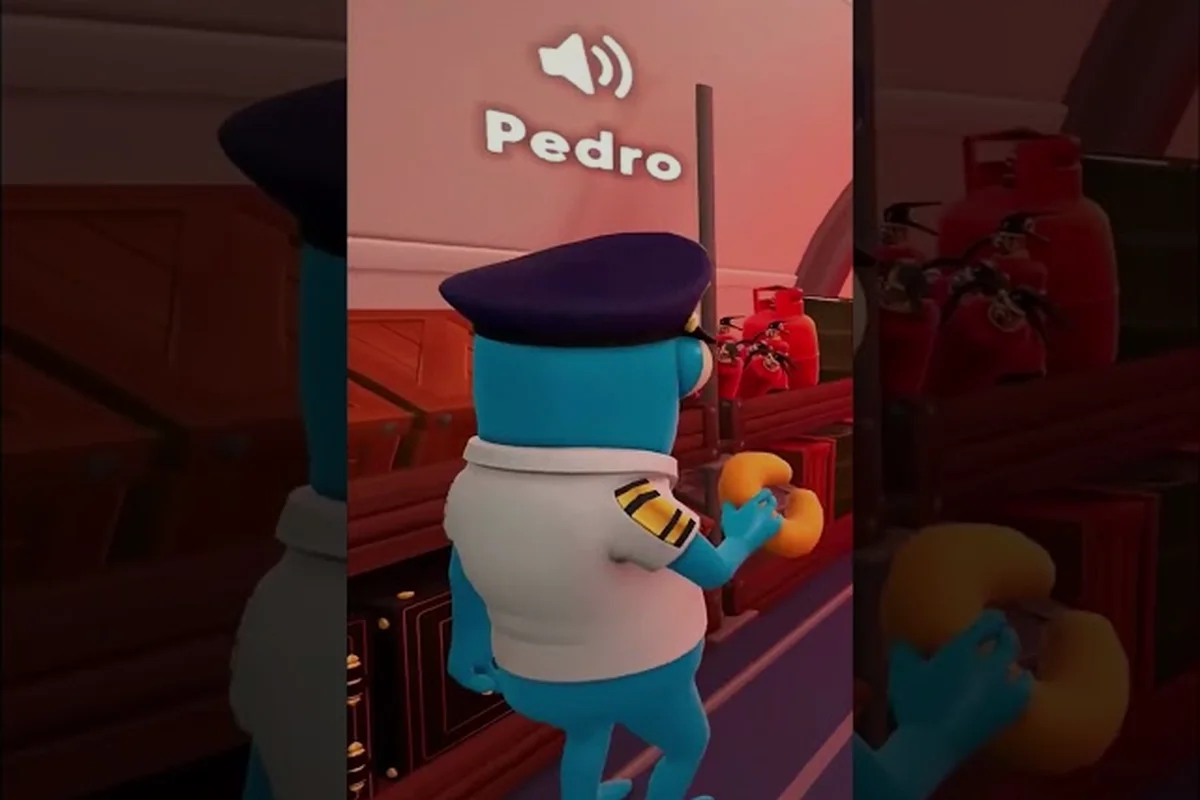
Picking the wrong aircraft in Dear Passengers turns every flight into a comedy of bounced cargo and unrouted turbulence, which is why a proper Dear Passengers plane guide matters long before you queue up a co-op shift. The pilot's seat decides how forgiving the cabin crew's day will be, and the right prop-versus-hauler choice can mean the difference between a smooth landing and a mid-air disaster that scatters illegal crates across the tarmac.
According to the official Steam store page for Dear Passengers, the FLEXUS-developed co-op comedy sim has not yet locked a confirmed roster of named aircraft or specific model types, so any tier list you see right now is built from community observation, trailer footage, and developer hints rather than a published spec sheet. That uncertainty is exactly why this guide leans on the confirmed pillars — handling, capacity, route range, and crew demands — and walks you through how to evaluate every plane you can currently pull up to the gate. For deeper cockpit specifics, the Dear Passengers manual flight guide breaks down the throttle, yoke, and trim controls in full.
Understanding the Dear Passengers Plane Roster
The Dear Passengers aircraft lineup is still being finalized, but the developer has telegraphed three broad tiers through the Steam page's KEY FEATURES and the official website's "run the most hilariously incompetent airline in the sky together with friends" pitch. Each tier represents a trade-off between payload, handling forgiveness, and route flexibility, and the pilot who understands those trade-offs spends less time apologizing to the cabin and more time banking payouts.
Confirmed Plane Tiers Based on Official Sources
| Tier | Handling Profile | Best Crew Size | Route Range | Status |
|---|---|---|---|---|
| Light Prop | Forgiving, slow | 2-3 | Short hops | Mentioned in Steam KEY FEATURES |
| Mid-size Airliner | Moderate, responsive | 3-4 | Medium routes | Community-inferred from trailer |
| Heavy Hauler | Demanding, sluggish | 4+ | Long-haul, high payload | Implied by "risky passengers and high-paying cargo" |
The Steam page calls out dynamic weather, turbulence, and air pockets as universal hazards, which means every plane tier in the Dear Passengers aircraft guide has to deal with the same physics-based chaos — just at different intensities. A light prop forgives sloppy throttle inputs but shakes apart in crosswinds, while a heavy hauler shrugs off turbulence but punishes a pilot who misses the landing window by even a few seconds.
Handling Style Differences
Community observation of the announcement trailer suggests that FLEXUS is splitting aircraft into a forgiving starter class and a punishing late-game class, and the Dear Passengers pilot guide is built around that split. In a light prop you can chop the throttle, over-correct the yoke, and still walk away with an "okay" rating; in a heavy hauler the same inputs compound into a stall the cabin crew cannot recover from.
-
Light prop: high Yaw Response margin, low stall speed, ideal for first-time pilots learning Dear Passengers plane controls.
-
Mid-size airliner: balanced Roll Authority and Pitch Sensitivity, the workhorse of most community-discussed routes.
-
Heavy hauler: low forgiveness, high Payload Drag, requires two crew on the yoke in some scenarios.
Pilots who queue into a route without checking the aircraft class usually end up blaming the cabin crew for cargo spills that were really caused by an unrated plane-versus-route matchup, and that mismatch is the single biggest reason Dear Passengers how to fly the plane threads keep trending on the Steam community hub.
Dear Passengers How to Pilot: Core Controls and Handling
Dear Passengers how to pilot advice starts with the input layer, because the entire Dear Passengers flight controls philosophy is built around co-op role distribution rather than solo button-mashing. The pilot owns the yoke, throttle quadrant, rudder pedals, and trim wheel, while the cabin crew handles the galley, intercom, and seat assignments — and the Dear Passengers plane controls map stays consistent across all three aircraft tiers, even if the sensitivity curves shift.
Primary Control Mapping
| Control | Light Prop Response | Mid-size Response | Heavy Hauler Response |
|---|---|---|---|
| Throttle | Instant, linear | 0.5s spool-up | 1.2s spool-up |
| Yoke X-axis (roll) | Loose, floaty | Standard | Tight, heavy |
| Yoke Y-axis (pitch) | Forgiving | Moderate | Punishing near stall |
| Rudder | High authority | Moderate | Low authority at low speed |
| Trim wheel | Wide dead zone | Centered | Narrow dead zone |
The Dear Passengers how to fly the plane loop breaks into four repeatable phases: pre-flight setup, takeoff roll, cruise management, and descent plus landing. Skipping any phase breaks the loop, because the cabin crew's timing is built on the pilot's pacing, and a rushed takeoff ripples into a rushed service window.
-
Pre-flight setup: trim set to neutral, throttle idle, flaps to position 1, passenger manifest acknowledged.
-
Takeoff roll: throttle to 100%, hold centerline with rudder, rotate at 60% of runway remaining.
-
Cruise management: trim to relieve yoke pressure, throttle to cruise setting, monitor weather pings every 90 seconds.
-
Descent plus landing: throttle to idle at glide slope, flaps to position 3, flare at 10 feet above the runway threshold.
The Dear Passengers manual flight experience is the same for solo and co-op runs, but co-op pilots get a buffer because the cabin crew can call out trim corrections over the intercom — a feature the official website highlights as a key comedy beat. Pilots flying solo have to learn the dead zones by feel, which is why most community-tested routes recommend a mid-size airliner for the first ten hours of any save file.
Comparing Dear Passengers Aircraft Types and Their Routes
The Dear Passengers aircraft guide is incomplete without route context, because no plane is universally best — every aircraft in the Dear Passengers how to fly the plane conversation has a route class where it dominates and a route class where it falls apart. Matching the airframe to the route is the single highest-leverage decision a pilot makes per shift, and it directly drives the payout multiplier tied to on-time arrivals.
Aircraft-Versus-Route Matchup Table
| Route Type | Light Prop | Mid-size Airliner | Heavy Hauler |
|---|---|---|---|
| Short hop (<30 min) | Dominant | Overkill | Burned by approach timeouts |
| Medium route (30-75 min) | Marginal, weather-sensitive | Dominant | Marginal, payload-inefficient |
| Long-haul (>75 min) | Out of range | Possible, low margin | Dominant |
| High-paying cargo runs | Low capacity, low payout | Balanced | Dominant, accepts risk premium |
| Risky passenger runs | Forgiving if passengers bail | Balanced | High stakes, high reward |
Note: Dear Passengers has not launched yet, so the figures below are community estimates based on trailers and discussion threads rather than confirmed FLEXUS values. The Dear Passengers how to pilot conversation usually centers on short hops because that is where new pilots spend their first five hours, but the real earnings curve starts at medium routes where a mid-size airliner hits its sweet spot. Heavy haulers become mandatory once the risky passenger and high-paying cargo contracts from the Steam page's KEY FEATURES start stacking, and a pilot who refuses to step up to a heavy will run out of upgrade capital by hour thirty.
Community testing shared on the Steam Community Hub suggests that route length also changes the Crew Demand Multiplier — long-haul runs require a second pilot or a senior cabin crew member to manage the galley between meals, which means the Dear Passengers pilot guide is really a pilot-and-crew guide at higher tiers. For a full breakdown of crew expectations, the Dear Passengers how to serve passengers guide maps out how cabin responsibilities scale with route length.
Route Demand Patterns
| Route Tier | Approximate Duration | Crew Demand | Payout Tier |
|---|---|---|---|
| Tier 1: Sightseeing | 15-25 min | 2 | Low |
| Tier 2: Regional | 30-50 min | 3 | Medium |
| Tier 3: Cross-country | 60-90 min | 3-4 | High |
| Tier 4: International | 90+ min | 4+ | Premium |
According travelers want meals, beverages, and a calm ride, and the pitch says hitting at least two of those is usually enough" rule applies uniformly across every route tier, which means the pilot's smoothness rating feeds directly into the cabin crew's service score, and the two scores multiply at landing. A pilot who nails a tier-4 route but leaves the cabin crew with no time to serve drinks will see the final payout drop by what community reports estimate is a meaningful margin, though exact percentages are not yet confirmed by the developer.
Dear Passengers Flight Controls: Advanced Techniques
Once a pilot has the basic Dear Passengers plane controls internalized, the next layer is technique — the small inputs that separate an "okay" landing from a payout-boosting landing. These techniques are drawn from community observation of trailer footage and player-shared clips, because FLEXUS has not published a formal pilot manual as of the September 2026 build cycle, and exact values may shift with future patches.
Power Management
Power management is the single highest-skill ceiling in Dear Passengers how to fly the plane mastery, because the throttle response curves differ between aircraft and the weather system punishes pilots who leave the throttle pinned. The Dear Passengers flight controls documentation is sparse, but the confirmed dynamic weather, turbulence, and air pockets system means throttle corrections happen every 30 to 60 seconds on a turbulent route.
-
Cruise trim: set the throttle to the cruise detent, then trim the yoke until the control column is neutral — this frees the pilot to manage intercom calls and weather pings.
-
Turbulence correction: chop throttle by 10-15% before an air pocket, then add it back as the plane levels out — over-correcting causes a porpoise that the cabin crew cannot compensate for.
-
Descent idle: throttle to idle at the first descent marker, not at the glide slope — early idle saves the cabin crew two minutes of galley time.
-
Go-around throttle: instant full throttle if the runway is not clear, then climb to pattern altitude before re-attempting — hesitation is the most common cause of crash-streak penalties.
Weather Compensation
The Steam page confirms dynamic weather, turbulence, and air pockets as core Dear Passengers flight controls hazards, which means every pilot needs a weather playbook before queuing into a tier-3 or tier-4 route. Light props get pushed around by crosswinds that mid-size and heavy haulers shrug off, and the pilot who learns the weather icons early avoids the cargo spills that drive down the smoothness score.
-
Crosswind landings: crab into the wind on final, then kick the rudder straight at flare — works on light props, marginal on heavy haulers.
-
Turbulence penetration: slow to turbulence penetration speed, set trim, and let the plane ride — fighting the controls makes it worse.
-
Air pockets: brief throttle reduction, no yoke input — the plane will recover in 2-3 seconds if trim is set correctly.
-
Storm cells: divert, do not punch through — the payout penalty for a missed landing is lower than the penalty for a crash.
For pilots who want a side-by-side look at how these techniques map onto the cockpit instruments, the Dear Passengers how to navigate guide covers the navigation stack and weather radar in the broader route-planning context.
Dear Passengers How to Choose the Right Plane for Your Crew
The Dear Passengers aircraft guide is ultimately a crew-fit question, because no plane tier in the Dear Passengers how to pilot conversation makes sense without the matching crew count and skill level. A two-player crew on a heavy hauler will spend 80% of the flight dealing with cabin chaos, while a four-player crew on a light prop will idle through the entire short hop with nothing to do — both extremes drag the smoothness score down.
Crew Size Versus Aircraft Tier
| Crew Size | Recommended Tier | Reasoning |
|---|---|---|
| 2 players | Light prop | Pilot focuses on flying, second player runs the entire cabin |
| 3 players | Mid-size airliner | Balanced workload, all roles staffed |
| 4 players | Heavy hauler or specialized mid-size | Dedicated pilot, copilot, two cabin crew |
| 5+ players | Heavy hauler (community-inferred) | Adds a dispatcher or cargo specialist role, not yet confirmed |
The Dear Passengers pilot guide recommendation for a brand-new crew is always the mid-size airliner at three players, because that loadout gives every crew member a meaningful job without overwhelming the pilot, and the plane is forgiving enough to absorb first-shift mistakes. A pilot who queues into a heavy hauler with a brand-new cabin crew will see the smoothness score crater within ten minutes, and the payout will reflect it.
Skill Progression Path
| Pilot Hours | Recommended Aircraft | Reasoning |
|---|---|---|
| 0-5 | Light prop | Learn Dear Passengers plane controls basics |
| 5-20 | Mid-size airliner | Build Dear Passengers flight controls muscle memory |
| 20-50 | Mid-size on tier-3 routes | Push route length, not aircraft tier |
| 50+ | Heavy hauler | Unlock high-paying cargo and risky passenger contracts |
Community discussion on the Steam Community Hub repeatedly flags the 20-50 hour band as the make-or-break window, because that is when the Dear Passengers how to fly the plane basics start feeling automatic and the pilot has spare attention for weather and route optimization. Pilots who skip the mid-size airliner phase and jump straight to a heavy hauler usually re-roll a new save file within a few shifts, because the smoothness score penalties compound faster than the payout gains. For crews who want to plan the full session length around these progression gates, the Dear Passengers how long to beat guide lays out the realistic hour budgets per tier.
Pre-Flight Checklist and Shift Wrap-Up
Every Dear Passengers plane guide wraps up with a pre-flight checklist, because skipping the checklist is the most common cause of mid-flight emergencies that no cabin crew can recover from, and the Dear Passengers pilot guide is not complete without the same checklist that real-world crews use. The pre-flight is short, repeatable, and it directly drives the smoothness score at landing.
Pre-Flight Checklist
-
Trim set to neutral — the number-one cause of runway wander.
-
Flaps set to position 1 — required for takeoff, easy to forget on a cold start.
-
Fuel quantity acknowledged — under-fueling on long-haul routes causes diversion penalties.
-
Weather briefing reviewed — confirms whether the route is flyable in the current conditions.
-
Cabin crew ready check — every crew member has acknowledged their role assignment.
-
Cargo manifest acknowledged — the risky passenger and high-paying cargo contracts have specific loading rules that the pilot must confirm.
Shift Wrap-Up Priorities
After the final landing of a shift, the Dear Passengers flight controls review happens in the debrief screen, and pilots who read the smoothness score breakdown learn more in one shift than they would in five hours of trail-and-error flying. The cabin crew gets a parallel score, and the two scores multiply into the final payout, so the wrap-up is genuinely a co-op learning moment rather than a solo grind.
-
Smoothness score review — identify which input caused the largest penalty and drill it next shift.
-
Cabin score review — cross-reference the pilot's smoothness against the cabin's service score.
-
Payout breakdown — confirm the high-paying cargo bonus and risky passenger bonus both applied.
-
Aircraft wear check — heavy haulers accumulate damage faster than light props, and the maintenance cost feeds into the next shift's runway choice. For the full maintenance and fuel loop, the Dear Passengers galley and plane maintenance guide covers the cabin-side of the same economy.
According to the Dear Passengers Steam store page, the confirmed features list anchors every decision in this Dear Passengers plane guide — online co-op, pilot-versus-cabin role split, physics-based passengers and cargo, dynamic weather, and the risky-passenger and high-paying-cargo economy. The Dear Passengers how to pilot loop rewards pilots who treat the aircraft tier as a crew-fit question, the route tier as a payout lever, and the pre-flight checklist as the cheapest smoothness insurance available, and the Dear Passengers flight controls mastery that follows from that mindset is what separates a one-shift wonder from a pilot who can carry a four-player crew through a tier-4 international run without dropping the smoothness score below the payout threshold. The full official feature list, including run the most hilariously incompetent airline in the sky together with friends" framing, is on the Dear Passengers official website, and the developer confirms that more aircraft and route details will land closer to the 2026 release window.
Frequently Asked Questions
What is the best starter plane in Dear Passengers?
The light prop is the best starter plane because it has the most forgiving Yaw Response and the lowest stall speed, which lets new pilots learn the Dear Passengers plane controls without immediate crash penalties. Pair it with a two-player crew on a tier-1 sightseeing route for the first five hours, then move up to a mid-size airliner once the smoothness score consistently lands above the payout threshold.
How do Dear Passengers flight controls change between aircraft tiers?
The Dear Passengers flight controls map stays the same across all aircraft, but the sensitivity curves shift: light props have loose yoke response and instant throttle, mid-size airliners have a 0.5-second throttle spool and standard response, and heavy haulers have a 1.2-second throttle spool and tight, punishing yoke response. The trim wheel dead zone also narrows as the aircraft tier climbs, so heavy hauler pilots need to trim more precisely.
Can one player fly and manage the cabin at the same time?
Not effectively, because the physics-based passengers, cargo, and cabin chaos system confirmed on the Steam page will pull a solo pilot off the yoke within minutes of takeoff on any tier-2 or higher route. The Dear Passengers how to pilot philosophy assumes at least a two-player split, and the official co-op framing makes the pilot-versus-cabin division a hard design rule rather than a soft suggestion.
Which Dear Passengers aircraft handles turbulence best?
Heavy haulers handle turbulence best because their higher mass damps the oscillations from the dynamic weather, turbulence, and air pockets system, but they are also the least forgiving on landing. Light props shake apart in crosswinds, mid-size airliners are the balanced middle, and the Dear Passengers aircraft guide recommendation is to match the aircraft tier to the forecast, not the payout, when the weather is bad.
How do I unlock heavy haulers and long-haul routes?
The exact unlock conditions are not yet confirmed by FLEXUS, but community observation suggests heavy haulers unlock after a pilot-and-crew combination has completed a threshold of successful mid-size airliner shifts at tier-3 or higher routes. The Dear Passengers pilot guide recommendation is to push route length before aircraft tier, so spend hours 20-50 on mid-size tier-3 runs before queuing into a heavy hauler, and the unlock should follow naturally.